Saturday, November 29, 2025

Mapping the Unseen: Why Endpapers are the Unsung Heroes of Fantasy Novels

We often rave about a book's cover art, the perfect title font, or the author's prose, but there's a quieter, often overlooked element of book design that is crucial, especially in fantasy: the endpapers.

For those who may not know, the endpapers are the pages pasted inside the front and back covers of a hardcover book. In secondary world fantasy, these are frequently not blank—they are often used for detailed, beautiful, and highly functional maps.

And I'm here to argue that these maps are essential to the immersive experience.


The Endpaper Map: More Than Just Decoration

In epic fantasy and high-stakes sci-fi, the endpaper map does heavy narrative lifting that goes far beyond a simple guide:

1. Grounding the Reader

When you open a dense fantasy novel and are immediately faced with a detailed map of Aethelgard or the Westerlands, it instantly grounds you. It transforms the abstract names the author uses into tangible locations. You can trace the hero's journey from the remote Northern Keep to the bustling Southern Port, giving the entire quest a concrete spatial dimension.

2. Building Immersion and Atmosphere

A well-drawn map immediately sets the tone. Is the map clean, symmetrical, and labeled in a precise font? You're likely reading a political thriller. Is it hand-drawn, labeled with scratchy cursive, and featuring vast, unlabeled dark forests? You're entering a classic, dark adventure full of mystery. The map is the first visual introduction to the world's feel.

3. The Narrative Puzzle Piece

A great map isn't just a guide; it's a puzzle piece. It often highlights key narrative points before you even read them:

  • A suspiciously large area labeled "Unexplored Territory."

  • The narrow sea channel separating two warring nations.

  • The placement of ancient ruins in a politically sensitive location.

This subtle visual foreshadowing enhances the reading experience, making you feel like a privileged cartographer in on the world's secrets.


The Shift to the Digital Age

While many fantasy paperbacks and ebooks include maps within the text, there is a distinct joy that is lost without the endpaper map:

  • Ease of Reference: In a physical book, the map is always accessible. You don't have to flip back 20 pages or minimize your reading app to confirm the direction of the River Lyra. You simply glance to the left or right cover.

  • The Ritual: The act of opening a new hardcover, running your fingers over the smooth endpaper, and studying the map before reading the first word is a ritual that prepares your mind for the epic journey ahead.

So, the next time you pick up a fantasy novel, take a moment to really study that endpaper map. It's a key part of the storytelling, a promise of adventure, and the foundational blueprint for the incredible world you are about to explore.

What fantasy map is your favorite to study, and why? Let me know which fictional landmass you know by heart!

Thursday, November 27, 2025

🦃 A Time for Reflection: Literary Themes of Gratitude and Gathering

Happy Thanksgiving, readers! I hope you've had (or are about to have) a wonderful, warm holiday filled with good food, good company, and, of course, a great book.

Thanksgiving is more than just turkey and football; it's a moment woven into the fabric of American life that forces us to pause and consider the foundational themes of gratitude, family (found or biological), and history.

It got me thinking: what literary themes perfectly capture the spirit of this holiday?


The Unspoken Theme: The Complicated Family Gathering

While few adult bestsellers are explicitly "Thanksgiving novels," the holiday often serves as a brilliant backdrop for a specific, universally relatable plot: The Tense Family Reunion.

Why is this setting so useful for authors?

  • Forced Proximity: The tradition demands that deeply different, often estranged people sit elbow-to-elbow for hours. This forced intimacy is a pressure cooker for drama.

  • The Weight of Tradition: Every family has its "Thanksgiving traditions," and those rigid expectations (who sits where, who carves the turkey, who asks intrusive questions) provide the perfect scaffolding for conflict and humor.

  • The Inevitable Secrets: Holidays are often when old resentments, buried secrets, or unresolved traumas bubble to the surface, usually right before the dessert course.

The books that use these gatherings well are brilliant because they remind us that family is a glorious, messy, frustrating, and ultimately essential element of life.


📚 The Literary Spirit of Gratitude

Beyond the immediate family drama, the truest literary connection to Thanksgiving lies in the themes of appreciation and reflection.

1. The Gratitude for Community (Found Family)

As we discussed before, the found family trope perfectly embodies the spirit of being thankful for those who choose to support us. These books celebrate the vital, non-biological bonds that sustain us when our formal ties falter. A community that shares a meal, a laugh, or a tough moment together is the very essence of the holiday table.

2. The Acceptance of Imperfection

Many novels about gatherings (like The Corrections or Homegoing) show that perfection is a myth. The meal is burned, the conversation is awkward, and someone inevitably cries. But the act of showing up, breaking bread, and sitting together anyway is an act of love and acceptance—a form of deep gratitude for the whole, flawed picture.

3. Reflecting on the Harvest (Past & Future)

The simple harvest theme—taking stock of what you've reaped over the year—can be seen in characters who pause to look back on their journey, appreciate the progress they've made, and express hope for the winter to come. It’s a moment of necessary narrative transition.


📖 Your Thanksgiving Reading Side Dish

If you're looking for a book to curl up with after the feasting and the dishes are done, consider one that embraces these themes:

  • A Man Called Ove by Fredrik Backman: While not a holiday novel, its themes of community, kindness, and finding unexpected family (a perfect gratitude read) make it the ideal post-meal book.

  • The Holiday Sisters by Susan Mallery: A heartwarming novel specifically centered on three sisters navigating their differences and finding common ground during the holiday season—pure, satisfying family drama.

This week, whether your table is large or small, quiet or chaotic, take a moment to be thankful for the stories—both the ones you read and the ones you live.

Happy Thanksgiving! Now, tell me: What book are you most grateful for having read this year?

Tuesday, November 25, 2025

The Beautiful Burden: Why Time Travel Narratives Never Get Old

Whether it’s a detailed historical journey or a frantic race against paradox, stories about time travel hold a uniquely potent spot in our literary hearts. It's a trope that spans science fiction, fantasy, and even literary fiction, proving that humanity’s obsession with the past and future is limitless.

But why, despite the complex rules, inevitable paradoxes, and often head-scratching logic, do we keep returning to these narratives?


More Than Just a Trip: The Core Conflict

Time travel isn't usually about the destination; it's about the stakes involved in the journey. The genre excels because it instantly presents the highest possible dramatic conflict: changing the very fabric of reality.

1. The Question of Identity

If you go back in time and accidentally prevent your parents from meeting, do you cease to exist? Time travel narratives are a profound way to explore identity and causality. They force the character (and the reader) to confront the idea that who they are is dependent on a precise, unchangeable sequence of events.

2. The Weight of Knowledge

The time traveler knows too much. They carry the beautiful, terrible burden of future knowledge—who wins the war, who betrays whom, and how tragedy strikes. This knowledge creates immense moral pressure: do you interfere, or do you stand back and let history play out? This moral tightrope walk is what drives the emotional tension.

3. Exploring "What If?"

Ultimately, time travel is the ultimate mechanism for exploring human regret and hope. We all have moments we wish we could relive or avoid. The time travel narrative gives us the chance to see those "what if" scenarios played out to their terrifying and sometimes rewarding conclusions.


⚙️ The Two Types of Time Travel Rules

What makes these stories fascinating is the different sets of rules authors invent. They generally fall into two categories:

Rule TypeDescriptionStory Example Focus
Fixed TimelineTime is a rigid loop. Any attempt to change the past always results in the event happening exactly as it did originally. You are merely fulfilling your role.Focuses on Fate and Predestination. The traveler is a player, not a changer.
Malleable TimelineThe past can be changed, resulting in branching realities, parallel universes, or a complete rewrite of the present. This introduces the risk of the "butterfly effect."Focuses on Agency and the Cost of Change. The traveler is a powerful, dangerous force.

Time travel stories remind us that the most valuable thing we possess isn't the ability to jump forward or backward, but the fleeting, unrepeatable opportunity of the present moment.

If you could jump into any moment in the past or future (with no paradoxes!), where would you go? Let me know your perfect historical moment!

Sunday, November 23, 2025

The Magic of the Found Family Trope: Creating Your Own Chosen Kinship

In countless books, the primary focus is on biological ties or romantic love. But there's one relationship dynamic that consistently resonates with readers, offering comfort and compelling drama: the Found Family trope.

A found family is a group of unrelated people who choose each other, offering support, loyalty, and fierce protection, often in defiance of the world that rejected them or the families they left behind.


Why the Found Family Trope Endures

This trope is far more than just a cozy plot device; it speaks to deep human needs and offers a powerful narrative framework:

1. The Power of Choice

Biological families can be complicated, disappointing, or even abusive. The found family offers a profound fantasy: the ability to select your own kin. The bonds are forged not by blood or duty, but by shared trauma, mutual respect, and deliberate choice. This makes the loyalty within the group feel stronger and more meaningful.

2. The Haven for the Outsider

Found families often begin when disparate, isolated characters—the lonely, the weird, the broken—find refuge with each other. They become a safe space where members can be their authentic selves without judgment.

  • Example: The crew of a pirate ship, the members of a mercenary guild, or a group of young people hiding a secret. They are usually bound by a shared, extraordinary circumstance.

3. Defining Identity

For many characters, their identity is shaped or limited by their biological family. Joining a found family allows them to shed old expectations and forge a new self based on the strengths and values of their chosen group. The family becomes a mirror that reflects the best possible version of themselves.


🏡 Elements of a Great Found Family Story

A truly successful found family narrative hits on these essential notes:

  • The Reluctant Leader/Den Mother: There is often one central figure, initially skeptical or withdrawn, who gradually becomes the heart and glue of the unit.

  • The Misfit Dynamic: The characters must be genuinely different, clashing in their personalities, skills, or backgrounds. The initial friction makes the eventual, total acceptance all the more rewarding.

  • The Sacred Space: They usually have a central location—a dilapidated house, a spaceship, a coffee shop—that acts as their headquarters and the literal representation of their refuge.

  • The Fierce Protection: When one member is threatened, the entire group instantly mobilizes, showcasing their unwavering loyalty. The "mess with one of us, you mess with all of us" dynamic is key.


💖 Three Literary Families We Love to Join

If you need a reminder of how powerful chosen kinship can be, pick up one of these beloved titles:

Book TitleAuthorThe Found Family Unit
Six of CrowsLeigh BardugoThe Dregs, a band of young criminals and outcasts brought together by Kaz Brekker for a heist. They are defined by their loyalty and reliance on each other's unique, often destructive, skills.
The House in the Cerulean SeaT.J. KluneLinus Baker, a cautious caseworker, finds community and love with the eccentric master and the six dangerous children at a remote orphanage. It's the epitome of acceptance.
The Lord of the RingsJ.R.R. TolkienThe Fellowship of the Ring. Diverse races (men, elves, dwarves, hobbits) who set aside ancient prejudices and differences to commit to a single, impossible quest for mutual survival.

The found family trope reminds us that love and belonging are not always inherited; sometimes, you have to be brave enough to build them yourself.

What literary found family do you wish you could join, and why? Let me know who you'd choose as your chosen kin!

Friday, November 21, 2025

The Allure of the Anti-Hero: Why We Root for the Bad Guys (or Close Enough)

For centuries, literature hinged on clear-cut protagonists and antagonists. You had your noble hero (King Arthur, Odysseus) and your evil villain. But in modern storytelling, the lines have delightfully blurred.

Today, many of the most compelling characters are the anti-heroes: protagonists who lack conventional heroic qualities, often driven by morally ambiguous motives, self-interest, or even dark impulses.

Why do these flawed, often despicable, characters capture our imaginations so completely?


Defining the Anti-Hero

The anti-hero is not the same as the villain. While the villain typically represents an external force of evil that the hero must overcome, the anti-hero is the central figure, and their conflict is usually internal or against a corrupt system.

Key traits of the anti-hero:

  • Flawed Moral Compass: They may do the "right" thing, but often for selfish or questionable reasons (e.g., revenge, financial gain, survival).

  • Relatability in Vice: Their flaws—greed, cynicism, anger, addiction—make them feel profoundly human, perhaps more so than a perfect, noble hero.

  • The Greater Evil: They often fight against something worse than themselves, allowing the reader to justify their means (e.g., they're a criminal, but they're fighting a tyrannical government).


The Psychological Appeal

Rooting for the anti-hero is a complex psychological dance that benefits both the reader and the story:

1. The Power of Authenticity

A perfectly good hero can feel one-dimensional. The anti-hero's moral complexity mirrors the compromises and shades of gray we navigate in our own lives. We find their inner turmoil, their struggles with temptation, and their moments of weakness far more authentic than unwavering righteousness.

2. Living Vicariously

The anti-hero gives us permission to explore the darker side of human nature without consequence. They say the things we wish we could say and do the things we are too sensible or moral to do. We enjoy watching them break the rules that bind us.

3. Redemption is Earned

When an anti-hero does something genuinely selfless or heroic, the impact is immense. It's not expected, so it feels earned, surprising, and incredibly moving. Their small acts of goodness shine brighter against their inherent darkness.

The next time you find yourself fascinated by a protagonist whose methods make you wince, remember that you're engaging with one of literature's most rewarding explorations: the struggle to be good when being bad is so much easier—and so much more interesting.

Who is your favorite morally gray anti-hero in a book, and what dark act did you forgive them for? Let me know in the comments!

Wednesday, November 19, 2025

The Art of the Slow Reveal: Why Patient Pacing Wins in Storytelling

In a world obsessed with instant gratification and binge-watching, it can feel like every book needs a massive hook in the first chapter and a life-altering plot twist every fifty pages. But sometimes, the most satisfying stories are those that take their sweet time: the slow-burn novel.

Slow pacing isn't an accident or a flaw; it's a masterful technique used by authors to build atmosphere, develop characters, and ensure the eventual payoff lands with maximum impact.


What Makes a Novel a "Slow Burn"?

A slow-burn novel doesn't mean nothing happens; it means the internal action and world development take precedence over rapid external events. These books prioritize:

  • Atmosphere and Setting: Spending pages describing the mood of a forest, the scent of a kitchen, or the oppressive heat of a city, making the setting feel tangible and crucial.

  • Character Deep Dive: Focusing intensely on a character's internal monologue, memories, minor habits, and evolving relationships, making their eventual decision monumental.

  • Tension Over Action: The plot moves forward via escalating tension—a glance, a misplaced letter, a suspicion—rather than car chases or explosions. The feeling of dread builds patiently.


The Reader's Reward: Patience Pays Off

Why commit to a novel where the major conflict might not truly ignite until halfway through? Because the slow burn offers a unique depth of experience:

1. 🪴 Deeper Roots for Character Investment

When an author invests 200 pages showing you why a character loves their home, hates their job, or fears a certain person, you become completely invested in their fate. When the danger finally arrives, you feel the threat acutely because you know exactly what they have to lose. The stakes aren't just stated; they are lived.

2. 🤯 The True Impact of the Payoff

Imagine a roller coaster that starts with a tiny drop versus one that spends five minutes slowly climbing a massive chain hill. The slow climb builds anticipation, and when the climax finally hits, the thrill is exponential. In slow-burn fiction, the eventual twist, emotional reckoning, or explosion of action feels earned and far more devastating or exhilarating.

3. 🧘 The Meditation of Reading

These books force you to slow down your own reading pace, turning the act of reading into a meditative experience. You start to notice the beautiful prose, the subtle foreshadowing, and the quiet moments of humanity that would be lost in a rush to the next plot point.


📚 Three Great Slow-Burn Reads

If you're ready to embrace the unhurried power of patient storytelling, try one of these classics and modern gems:

  • Tinker Tailor Soldier Spy by John le Carré: A masterclass in procedural tension. The spy work is less about gadgets and more about long, meticulous interviews and political maneuvering. The reveal is devastating precisely because of the slow, methodical build.

  • A Gentleman in Moscow by Amor Towles: The plot largely revolves around a Count confined to a hotel. It focuses on the minute details of his life, his friendships, and the slow march of history observed from a single location. The emotional payoffs are incredibly moving.

  • The Secret History by Donna Tartt: The novel famously tells you who died and why in the very first chapter. The rest of the book is a deliberate, atmospheric exploration of how the characters got there, diving deep into their intellectual and moral decay.

Don't be afraid to pick up a book that takes its time. Often, the story that unfolds slowly is the one that stays with you the longest.

What slow-burn novel completely captivated you and proved that patience is a virtue in reading? I'd love to hear your recommendations for powerful, deliberate pacing!

Monday, November 17, 2025

Break the Box: Why Reading Outside Your Comfort Zone Cures the Reading Slump

Are you staring mournfully at your towering TBR pile, but every book feels like a chore? Are your usual mystery novels suddenly too predictable? Have the dragons in your fantasy series lost their fire?

You might not be tired of reading; you might just be experiencing Genre Burnout.

It happens to the best of us! That beloved genre that used to give you the ultimate escape suddenly feels like a well-worn road with no surprises. The cure isn't always a long break; sometimes, it's a dramatic pivot.


The Comfort Zone is a Reading Trap

It’s easy to stick to what we know. We know the tropes, we know the pacing, and we know we’ll generally enjoy the experience. But that familiarity, while comforting, is what eventually leads to stagnation.

Reading outside of your comfort zone—the genres you never touch—isn't a risk; it's a strategic move that brings huge benefits to your reading life:

1. Broaden Your Literary Toolkit

Every genre has a skill it excels at:

  • Mystery/Thriller teaches exceptional pacing and plotting.

  • Literary Fiction showcases deep, complex character study and beautiful prose.

  • Science Fiction forces you to explore complex themes and what-if scenarios.

  • Poetry or Short Stories can drastically improve your appreciation for language and white space (as we just discussed!).

By dipping your toe into something new, you get to appreciate the mastery required for a completely different style of storytelling.

2. Cleanse the Palate (The "Sorbet Read")

Imagine eating rich, heavy dessert after rich, heavy dessert. Eventually, you lose the ability to taste them properly. Switching genres is like having a refreshing sorbet between courses.

If you’ve been drowning in high-stakes fantasy epics, a simple, witty Contemporary Romance or a charming Cozy Mystery can refresh your brain. If you’ve been reading heartbreaking literary fiction, a fast-paced Graphic Novel or a fascinating Non-Fiction book on a new topic gives your emotional core a much-needed break.

3. The Thrill of Discovery

The single best reason? You might find a new favorite obsession.

Think about the genres you currently avoid. Maybe you think historical fiction is boring, or that sci-fi is too technical. Challenge that assumption! Pick up a highly-rated, accessible title in one of those genres. You may discover that your dislike was based on a single bad book or a misconception, and a whole new world of reading will open up to you.


Your Three-Step Slump-Busting Challenge

  1. Identify Your Opposite: What is the one genre you absolutely never read? (e.g., If you read Fantasy, try a Memoir. If you read Thrillers, try a Classic).

  2. Go Light: Don't start with a 1,000-page commitment. Try a novella, a short story collection, an accessible non-fiction book, or a highly recommended graphic novel in that new genre.

  3. No Guilt: If you hate it, D.N.F. (Do Not Finish) it! The goal is to reignite your reading joy, not turn it into homework.

Slamming the door shut on a genre you thought you hated is the fastest way to get back to joy. Go on, let your imagination roam free!

What "opposite" genre are you going to try next to break your slump? Tell me what's on your out-of-the-box reading list!

Saturday, November 15, 2025

Decoding the Silence: The Hidden Power of White Space in Literature

We spend a lot of time talking about the words on the page—plot, character, setting. But what about the things that aren't there? What about the empty space?

I'm talking about white space (or negative space) in literature, and I argue it is one of the most powerful, yet overlooked, tools in an author's toolkit. It’s the silence between the notes that makes the music meaningful.


What is White Space in Reading?

White space isn't just the margins of the book; it refers to any absence of text that forces the reader to pause or infer. This includes:

  • Paragraph Breaks and Indentation: Used to manage the flow and density of ideas.

  • Chapter Breaks: Signaling a significant leap in time, location, or perspective.

  • The Ellipsis (...) and the Dash (—): Creating deliberate textual pauses.

  • Blank Pages or Section Breaks: Often conveying vast jumps in time, a character's emotional breakdown, or an unbridgeable distance.


Three Ways Authors Weaponize Silence

Authors use white space to control the pacing and emotional punch of a story, turning blank paper into a powerful narrative device:

1. Controlling the Pace and Breath

A page dense with text makes the reader speed up, creating a feeling of urgency, claustrophobia, or intensity (think of stream-of-consciousness writing). Conversely, an author who uses short, choppy paragraphs, dialogue lines left hanging, or significant line breaks forces the reader to slow down, literally to breathe between ideas.

Example: Modernist or poetic prose, where isolation or fragmented thought is mirrored by the visual fragmentation of the text.

2. Forcing Reader Inference

Sometimes, what is left unsaid is far more impactful than a lengthy description. White space can be used to omit a character's internal reaction, a traumatic event, or a crucial transition. This silence compels the reader to fill the gap using their own imagination, trauma, or emotional context, making the moment deeply personal.

It’s the gap where the character cannot speak, or the author trusts the reader already knows what happened.

3. Amplifying Emotional Weight

A single, devastating sentence standing alone on its own line, surrounded by white space, has enormous weight. The text seems to drop away, drawing all focus to that one statement.

The Silent Reading Lesson

The next time you are reading a powerful, emotionally charged passage, pay attention not just to the words, but to how they are arranged. If an author uses a deliberate break, a single word line, or a dash mid-sentence, they are inviting you to lean in and listen to the silence.

The blank page is not empty; it's pregnant with meaning.

What novel have you read where a simple line break or single sentence carried the most emotional weight? Share your most powerful moments of silence!

Thursday, November 13, 2025

Building Worlds from Scratch: The Magic of Secondary World Fantasy

We've talked about cozy reads and tricky narrators, but let's shift gears and dive into the genre that requires the most audacious act of creation: Secondary World Fantasy.

This is the genre of dragons, deep magic, warring nations, and histories so rich they could fill an encyclopedia. It’s not just a story set in a different place—it's a story set in a whole different reality.


What Exactly is Secondary World Fantasy?

The term refers to fantasy novels set entirely within an invented world, separate from our own. Unlike Urban Fantasy (where magic exists secretly in cities like New York or London), Secondary World Fantasy requires authors to build their reality from the ground up.

Think of it this way:

  • Primary World (or Urban) Fantasy: The Dresden Files, Harry Potter (magic hidden within our world).

  • Secondary World Fantasy: The Lord of the Rings, A Song of Ice and Fire, Mistborn (Middle-earth, Westeros, and Scadrial are entirely separate creations).


The Four Pillars of Great Worldbuilding

What elevates a good fantasy novel to a genre-defining masterpiece? It often comes down to the author's meticulous attention to these four elements:

1. 🗺️ Geography and Biomes

A world needs mountains, seas, deserts, and the cultures that adapt to them. Does the Sun always rise in the East? Are there two moons? The physical environment dictates logistics, trade, and war. Example: The distinct, harsh climate of the Free Cities in A Song of Ice and Fire.

2. 🏛️ History and Mythology

The history of a secondary world must feel ancient. It needs ruined empires, forgotten gods, and legends that still influence current events. This depth makes the world feel lived-in and real. Example: The deep history of the Wheel of Time universe, complete with ages and reincarnating souls.

3. ✨ The Magic System (Hard vs. Soft)

This is the core differentiator. Is the magic rigidly defined with rules and costs (Hard Magic—e.g., Brandon Sanderson's Allomancy, where you burn metals)? Or is it mystical, emotional, and boundless (Soft Magic—e.g., the Force in Star Wars or the magic in Tolkien)? Both require consistency within their own rules.

4. 🗣️ Language and Social Structure

How do people talk? What are their customs, political systems, and social hierarchies? This includes everything from the food they eat to the names of their children. Example: The complex, feudal system and noble houses in Game of Thrones.


Why We Are Drawn to These Worlds

We read Secondary World Fantasy not just for the plot, but for the immersion. It's the ultimate escape. When done well, the world itself becomes a character—vast, unforgiving, and magnificent.

It reminds us that reality is flexible, and that with enough imagination, an author can literally start with a blank page and create an entire cosmos that millions of readers will happily get lost in for years.


What secondary world is your personal favorite to escape to? Let me know which fictional geography you'd most like to visit (or survive)!

Tuesday, November 11, 2025

The Power of the Unreliable Narrator: Why You Can't Trust the Voices in Your Head

We spend so much time looking for great stories, but sometimes the most thrilling aspect isn't what happens, but who is telling the tale. Enter the unreliable narrator: the character who holds the pen but whose perspective is warped, biased, or outright deceitful.

These narrators don't just tell a story; they force you to become an active detective, questioning every word on the page.


What Makes a Narrator "Unreliable"?

An unreliable narrator isn't just someone who misses a detail; their entire lens on the world is compromised in a fundamental way. They usually fall into a few key categories:

  • The Liar: They intentionally mislead the reader, often to cover up a crime or protect a secret. Think of the calculated deception.

  • The Naive: They genuinely don't understand the gravity or truth of the events they are describing due to youth, inexperience, or a lack of insight.

  • The Mad or Ill: Their perception is distorted by mental illness, trauma, substance abuse, or extreme emotional distress. They might believe what they are saying, but it doesn't align with reality.

  • The Bias: They aren't lying, but their strong prejudices, self-interest, or obsession means they can only see one side of a complex situation.


Why We Love to Be Fooled

Reading a book with an unreliable narrator is a complex, engaging experience that activates different parts of your brain than a traditional novel.

  1. The Thrill of Suspicion: From the very first few chapters, you get that creeping sense of doubt. Why is this character skipping over certain events? Why does their description of a person not match their actions? That internal questioning is the core joy of the technique.

  2. A Deeper Look at Human Psychology: These novels often offer profound insights into the minds of deeply flawed people. They explore themes of self-deception, memory loss, and the way we construct our own realities to cope.

  3. The Aha! Moment: The payoff—when the veil finally drops and the true story (or at least, a truer story) is revealed—is one of the most satisfying experiences in reading. It makes you want to immediately go back to the beginning to see how you were manipulated.


🕵️‍♂️ Must-Read Books Featuring Unreliable Narrators

If you're ready to test your perception, here are three essential books built around the unreliable voice:

Book TitleAuthorNarrator Type & Why It Works
Gone GirlGillian FlynnThe Liar / Biased. It's a dual-narrative masterclass where both voices are manipulative and self-serving, forcing the reader to constantly choose who to distrust more.
The Great GatsbyF. Scott FitzgeraldThe Bias. Nick Carraway is often portrayed as objective, but he is actually deeply judgmental and selective about what he shares, skewing our view of Gatsby himself.
The Silent PatientAlex MichaelidesThe Mad / Trauma. This psychological thriller is a modern example that hinges on the narrator's professional perspective being compromised by his personal demons and obsession.

Sunday, November 9, 2025

Lost in the Pages: Why Re-Reading Your Favorites is the Best Comfort Food

There's nothing quite like the feeling of finishing an amazing book—that mix of satisfaction and melancholy when you turn the final page. But what do you do next? Dive into the next new release? Or, hear me out, go back to an old friend?

I'm making the case for re-reading, specifically those books you know and love so deeply they feel like home.


The Comfort of the Known

In a world full of plot twists, cliffhangers, and constant new information, there's a unique and wonderful comfort in knowing exactly what's coming next. Re-reading is the literary equivalent of snuggling under your favorite blanket or watching a beloved movie for the tenth time.

You don't have to worry about the main character making a fatal mistake or whether the villain will win. That tension is replaced by a gentle, soothing predictability. It's low-stakes reading that still feels incredibly rewarding.

Uncovering New Treasures

You might think you know a book inside and out, but I promise, you don't. A book changes as you change.

When you first read To Kill a Mockingbird in high school, you might have focused on Scout's mischief. Re-read it as an adult, and you'll likely see Atticus's quiet strength and the deep-seated issues of justice and prejudice with a completely different lens.

  • Spotting Foreshadowing: Knowing the ending allows you to appreciate the subtle clues and brilliant narrative architecture the author laid out.

  • Deeper Character Understanding: Characters whose motivations you skimmed over the first time suddenly take center stage. You notice the small, quiet moments that truly define them.

  • The Power of Memory: Re-reading isn't just about the book; it's about remembering the person you were when you first read it. The experience is layered with nostalgia.


My Go-To Comfort Reads

Need a place to start? Here are a few books I always go back to when I need a literary hug:

  • Pride and Prejudice by Jane Austen: The witty dialogue, the dance of Elizabeth and Darcy, and the perfect happy ending. It’s timeless elegance and sharp social commentary.

  • The Hobbit by J.R.R. Tolkien: A perfect, contained adventure. Bilbo Baggins' journey from comfort-loving hobbit to brave adventurer is the ultimate feel-good epic.

  • Harry Potter and the Sorcerer's Stone by J.K. Rowling: Returning to the very beginning—the simple magic of the first book—is always a delight. It's where the journey started, and the nostalgia is palpable.


Your Assignment (Should You Choose to Accept It)

This week, before you grab that shiny new release, take a moment. Go to your bookshelf, pull out a battered favorite, and open it up. Don't worry about finishing it quickly; just enjoy the company of an old friend.

What's the book you re-read every time you need comfort? Let me know in the comments below!

Friday, November 7, 2025

The Library Vibe Check: Missing That Special Feeling

I'm in a deep, satisfying reading groove this November, devouring thriller after thriller. My living room has become my cozy reading cave, complete with blankets, a mug of tea, and a stack of books threatening to topple over.

But lately, something’s been missing. And I've finally put my finger on it: I miss my local library!

I've been relying heavily on my own collection and digital downloads, which is convenient, sure. But it lacks that vibe, that unique atmosphere you only get when you step through those big glass doors.


Why the Library is More Than Just Books

A library isn't just a building full of novels; it's a whole sensory experience that sparks joy for a true book lover. I’m craving:

  • The Smell of Paper and Possibility: That distinct, comforting scent of old paper mixed with fresh print. It's the smell of stories waiting to be discovered.

  • The Sacred Silence: That gentle hush punctuated only by the soft turning of pages or the quiet thunk of a returned book. It’s a dedicated space for contemplation and deep focus.

  • The Shelf-Gazing High: Scrolling through a digital catalog is efficient, but nothing beats the thrill of browsing the physical shelves. You stumble upon a title you'd never have searched for, you judge a book by its cover (and sometimes you're right!), and you discover a whole new section you didn't know existed.

  • The Community of Readers: Seeing others, of all ages and walks of life, quietly focused on their own reading journeys. It’s a silent, beautiful affirmation of our shared passion.


Time for a Library Field Trip

I think I need to intentionally break my home-reading routine and make a pilgrimage. It's not just about picking up new books—though I'm excited to see what new mysteries the staff has curated—it's about recharging my reader batteries.

I want to spend an hour just wandering the aisles, touching the spines, and maybe even grabbing a coffee to enjoy in their reading nook. I need that tangible connection to the world of literature again. It's a different kind of motivation than simply staring at my TBR list at home.

So, consider this my official declaration: The library awaits! I'm going in search of that perfect atmospheric read, and more importantly, the perfect atmosphere itself.


What is the best part of visiting your local library? Is it the architecture, a specific section, or the comfy chairs? I'd love to hear what makes your library special!

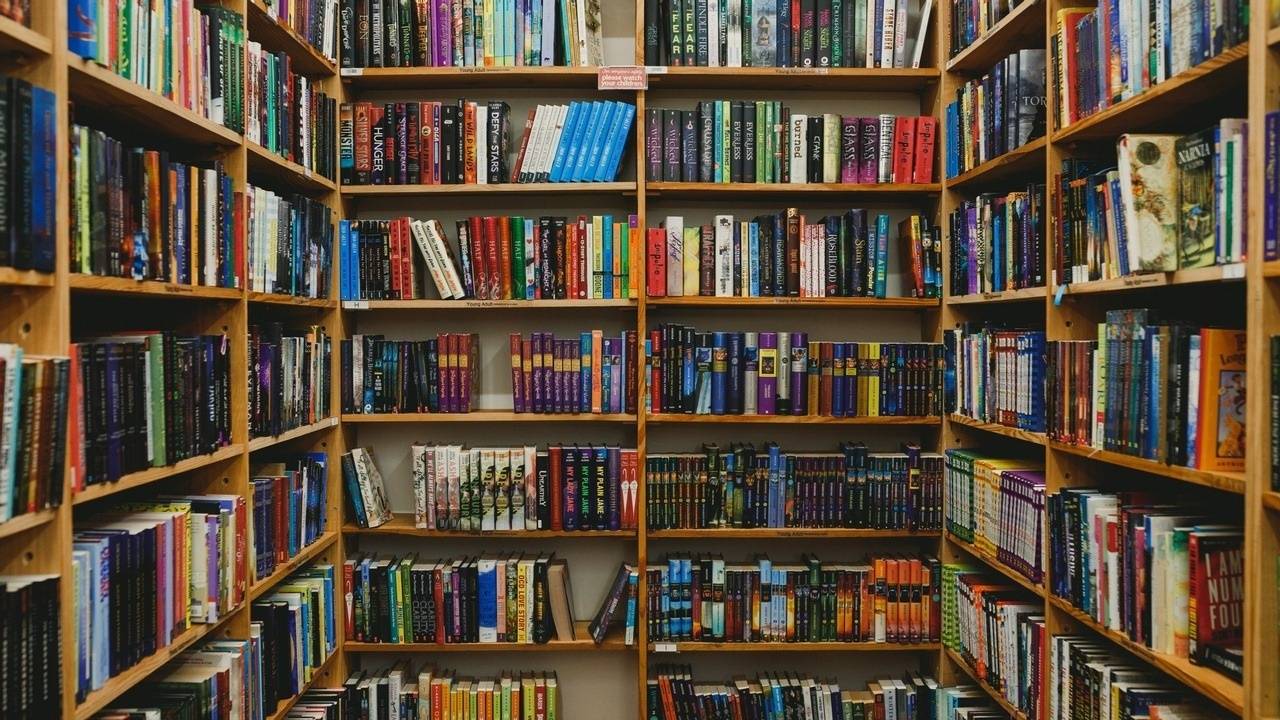
The Key to A Great Library Is Creating Meaningful Systems for Kids 

Wednesday, November 5, 2025

Confession Time: I'm a Reading Slacker (and I Love It)

Okay, fellow bookworms, I need to come clean. You know that exhilarating feeling when you find a book you simply cannot put down? That "just one more chapter" mantra that keeps you glued to the page until 2 AM?

I've been in that glorious state for weeks now, especially with my deep dive into the mystery/thriller genre this November. The only problem?

I haven't updated my reading status anywhere.

My Goodreads is probably wondering if I've been abducted. My Fable account is sitting there, lonely and untouched. I haven't posted a review, logged a page count, or even shelved a completed book.


The Joy of Reading Off-Grid

And you know what? It feels amazing.

There's a subtle pressure that comes with maintaining a meticulously organized reading life. The need to immediately log a book, rate it, move it to the "Read" shelf, and then write a perfectly articulated review before moving on to the next one. It turns a pure pleasure into a... well, chore.

This month, I decided to embrace the chaos. I've been:

  • Jumping from book to book based purely on mood, not on what "needs" to be finished or reviewed first.

  • Forgetting what page I'm on because I'm so deep in the plot that the physical act of reading disappears.

  • Allowing my TBR list to be a mess because the joy of discovering a new, spontaneous read is too good to pass up.

This temporary digital detox has re-energized my reading habit. It's a reminder that reading is, first and foremost, a personal experience. It's about the feeling you get when the plot twists, not the number of likes on your status update.


When the Time Comes (Eventually)

Eventually, I'll have a massive, satisfying backlog of completed reads to upload. I'll spend a happy hour finally updating my status, logging those star ratings, and maybe even jotting down a few bullet-point thoughts for a mini-review roundup.

But for now, I'm just going to keep reading. I'm going to keep chasing those thrilling, dark plots and let my Goodreads count suffer.

My reading pace is high, even if my social logging is zero! And that's a win in my book.

Have you ever taken an intentional break from updating your reading apps? Tell me I'm not the only one! If you have, what was the biggest pile of books you had to log when you finally returned?

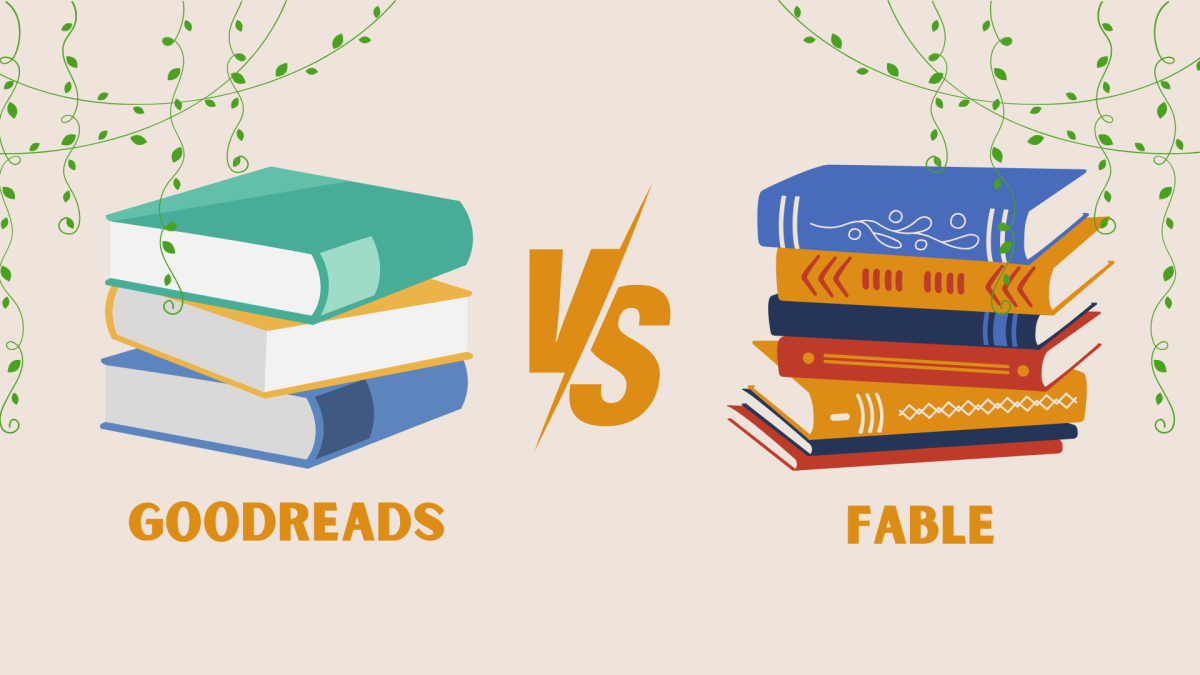
A 2025 Resolution: Time to switch from Goodreads to Fable – The Viking 

Monday, November 3, 2025

Hello, November, My Favorite Time for Thrillers!

Can you feel it? The days are shorter, the air is getting crisper (or maybe that’s just the tension building!), and all I want to do is curl up under a blanket. Forget cozy romance or light-hearted fantasy—for me, November is prime time for mystery and thriller books!

There is something about this time of year that just screams for a gripping plot, a shocking twist, and a dark secret to be unearthed. Maybe it's the anticipation of the holidays or the encroaching chill that makes a high-stakes, twisty novel the perfect companion. Honestly, nothing beats the feeling of being completely immersed in a thrilling story while the world outside is getting ready for winter. It's the ultimate form of 'cozy suspense,' right?


Why November is the Best Thriller Month

I think the atmosphere of November perfectly mirrors the best elements of a mystery/thriller:

  • The Gloom Factor: The natural darkness of late autumn makes the shadows in a book feel deeper and the secrets more chilling. When the plot takes a dark turn, the setting outside your window matches the mood!

  • The Indoor Immersion: With fewer sunny evenings, I feel less guilty about spending hours on the couch. This is essential for those unputdownable, "just one more chapter" reads that keep you up until 2 AM.

  • The Perfect Palate Cleanser: Before the inevitable sweetness of holiday-themed stories takes over, a sharp, edgy thriller is the perfect way to get your mind racing and your heart pounding.


My Thriller TBR Stack

My stack is growing, and I'm so excited to dive in! I'm hunting for books with locked-room mysteries, unreliable narrators, and twists I genuinely won't see coming. I'm craving that intense, "Aha!" moment when all the puzzle pieces finally click into place.

I plan to start with a new psychological thriller I picked up—the cover looks suitably moody, and the blurb promises a shocking betrayal. Wish me luck in guessing the culprit before the last page!

What are you planning to read this month? Drop your top mystery/thriller recommendations in the comments! I'm always looking for my next pulse-pounding read. Happy reading, and may your November be full of good trouble!

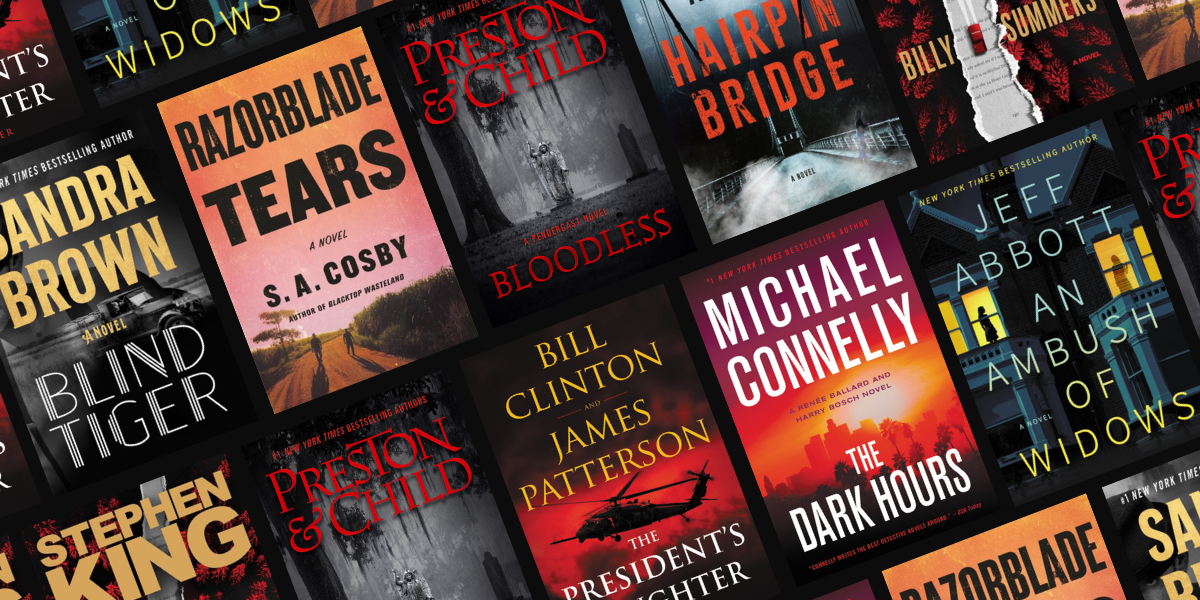
 21 Mystery & Thriller Books to Get Excited About This Year | Novel Suspects

Saturday, November 1, 2025

🍂 November Nook: Where Did the Year Go (and What I'm Reading Now)

Seriously, how is it already November 1st? It feels like just yesterday I was trying to find an air conditioner strong enough to handle summer, and now the leaves are crunchy and the scent of pumpkin spice is inescapable. Time, as always, is absolutely flying, and with the holidays looming, I’m trying to make sure I carve out some dedicated reading time before the end-of-year rush hits!

The shift in seasons always changes my reading mood. As the days get shorter and the temperature drops, I tend to gravitate toward two types of books: cozy, atmospheric fiction and deep, reflective non-fiction.

What's on the Nook Table this Month:

1. The Cozy Escape: A Perfect Autumn Read

I’m currently immersed in a beautifully atmospheric novel (I won't name it specifically, but think "small town with a big secret and lots of fog"). It's the kind of book where the setting feels like its own character. There's something incredibly comforting about getting lost in a detailed fictional world when the real one outside the window is chilly and a little grey. It's the perfect antidote to that feeling of time rushing by—you can just breathe in the pages.

2. The Reflective Dive: Slowing Down for Substance

On the non-fiction front, I’ve picked up a book that challenges me to think more deeply about my daily habits and the pace of modern life. Since time feels like it's accelerating, taking a break to read something that encourages mindfulness and presence feels counter-intuitive, but it's exactly what I need. It’s a good reminder that speed isn’t always progress.

My November Reading Goal:

Since the year-end is approaching at warp speed, my goal for this month isn't about quantity, but quality. I want to finish the year strong by dedicating myself to books that make me feel something profound, whether that's the quiet satisfaction of a solved mystery or the intellectual thrill of a new idea. No rushing, no skimming—just sinking into the pages and letting the world outside fade for a while.

How about you? Are you feeling the pressure of the calendar, too? Reading is the ultimate tool for pressing the pause button, and I highly recommend using it this November!


Do you change your reading habits when the seasons change? Tell me what kind of books you gravitate toward as the holidays approach!

What are the November National Days? - Get the List to Find Out!